Holly Cottage
Project Status
Planning
Sector
Residential
Location
Norley, Cheshire
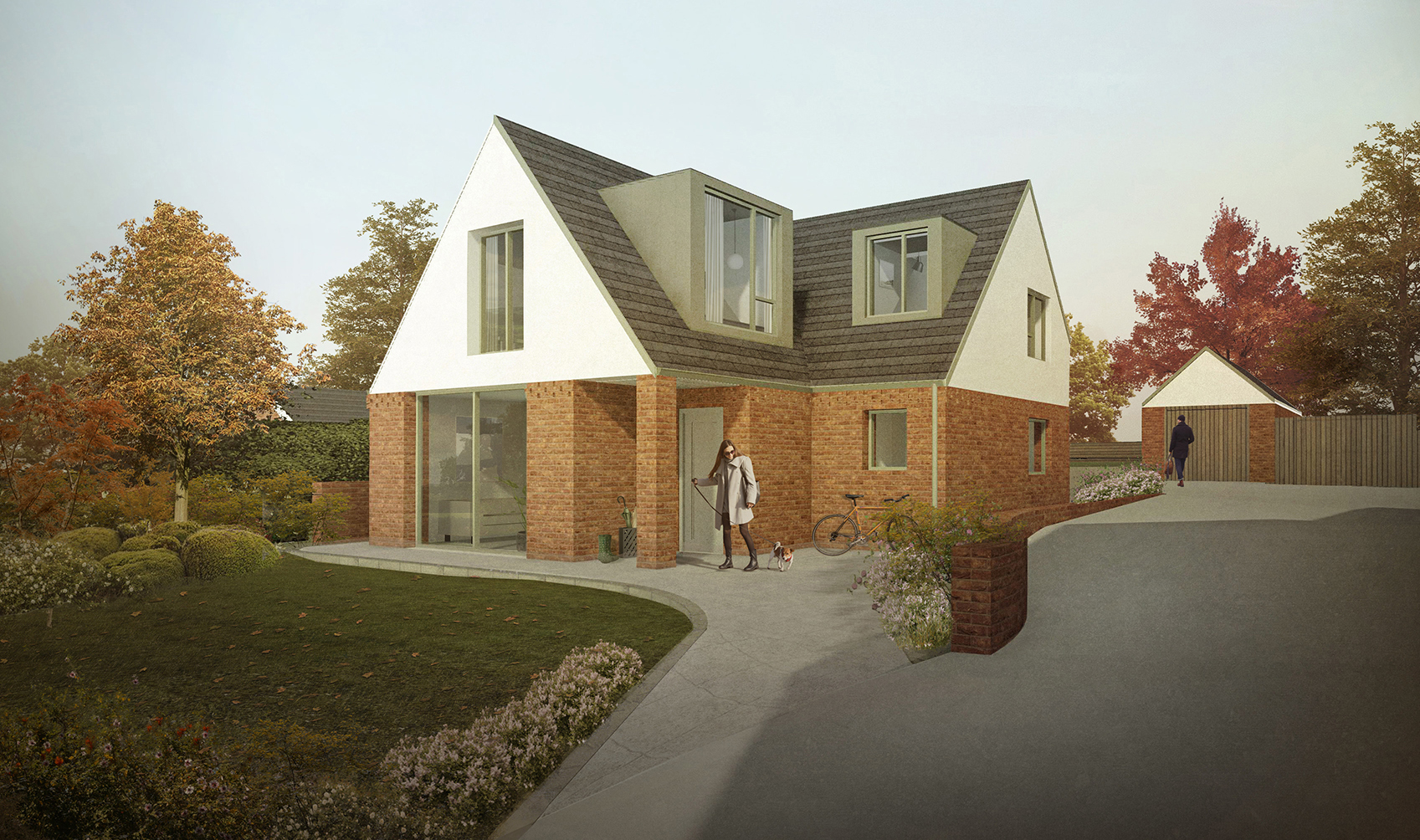
Located in a rural Cheshire village in the Green Belt, this proposal for a new build house sits in a garden plot which forms a gap in the existing streetscape.
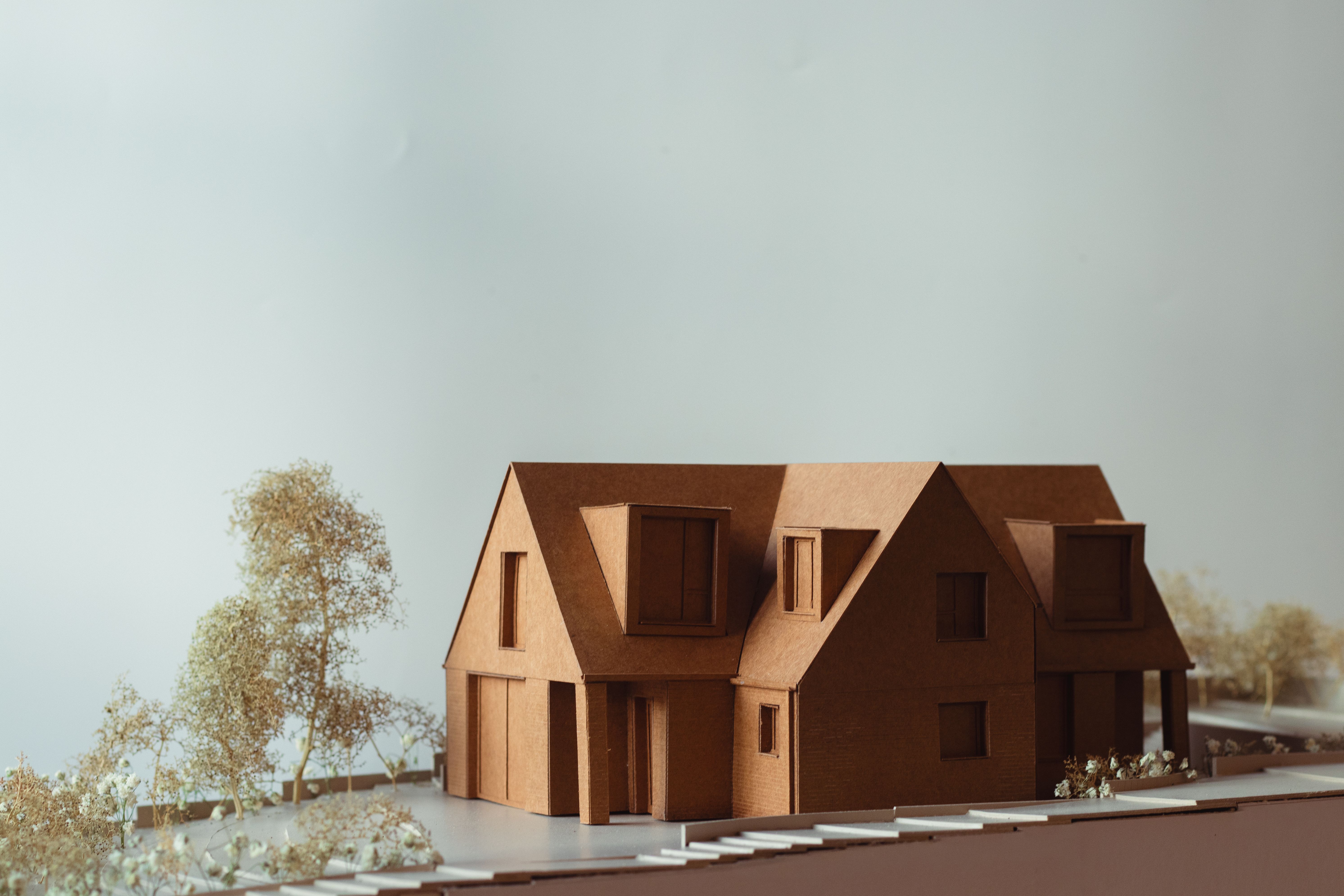
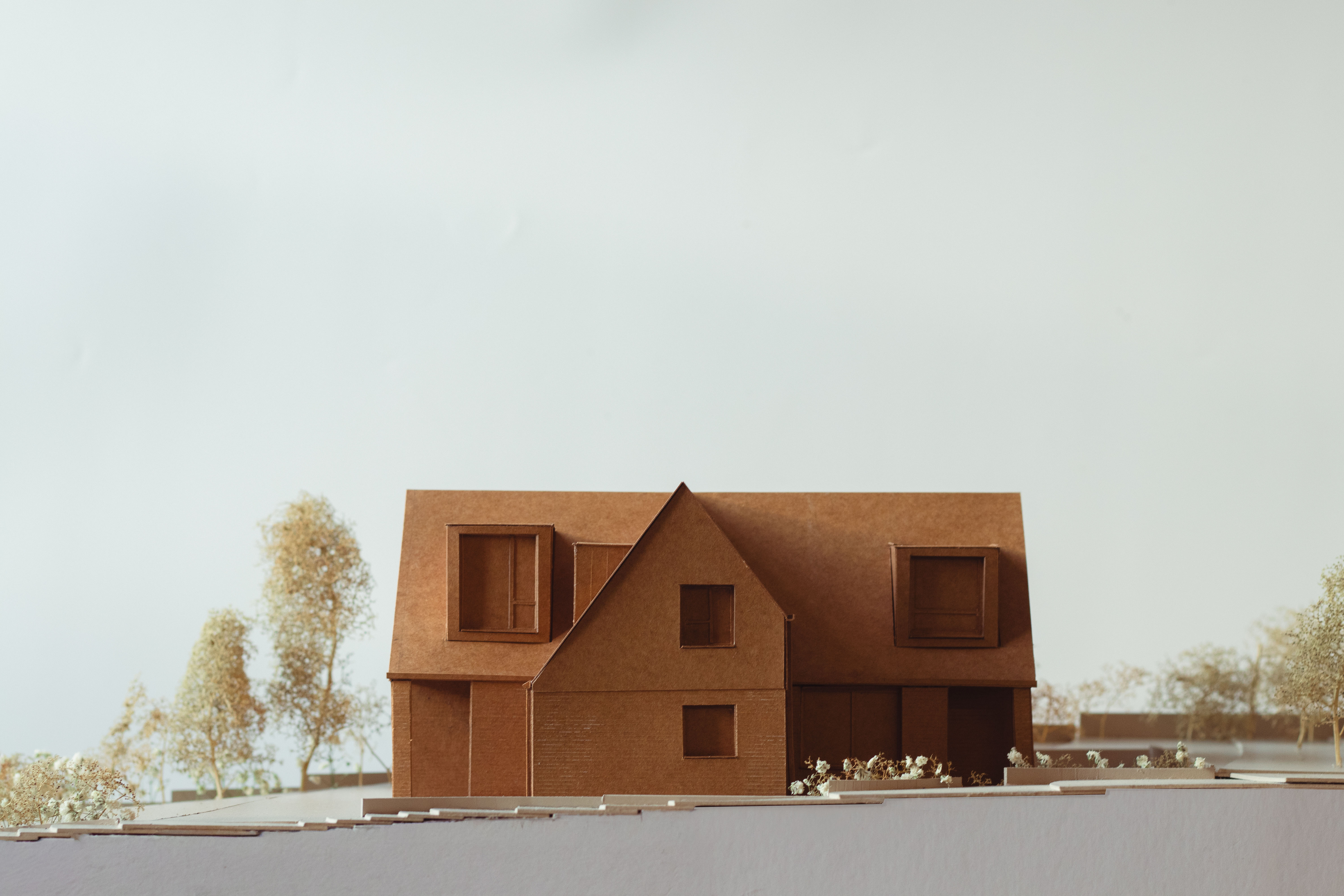
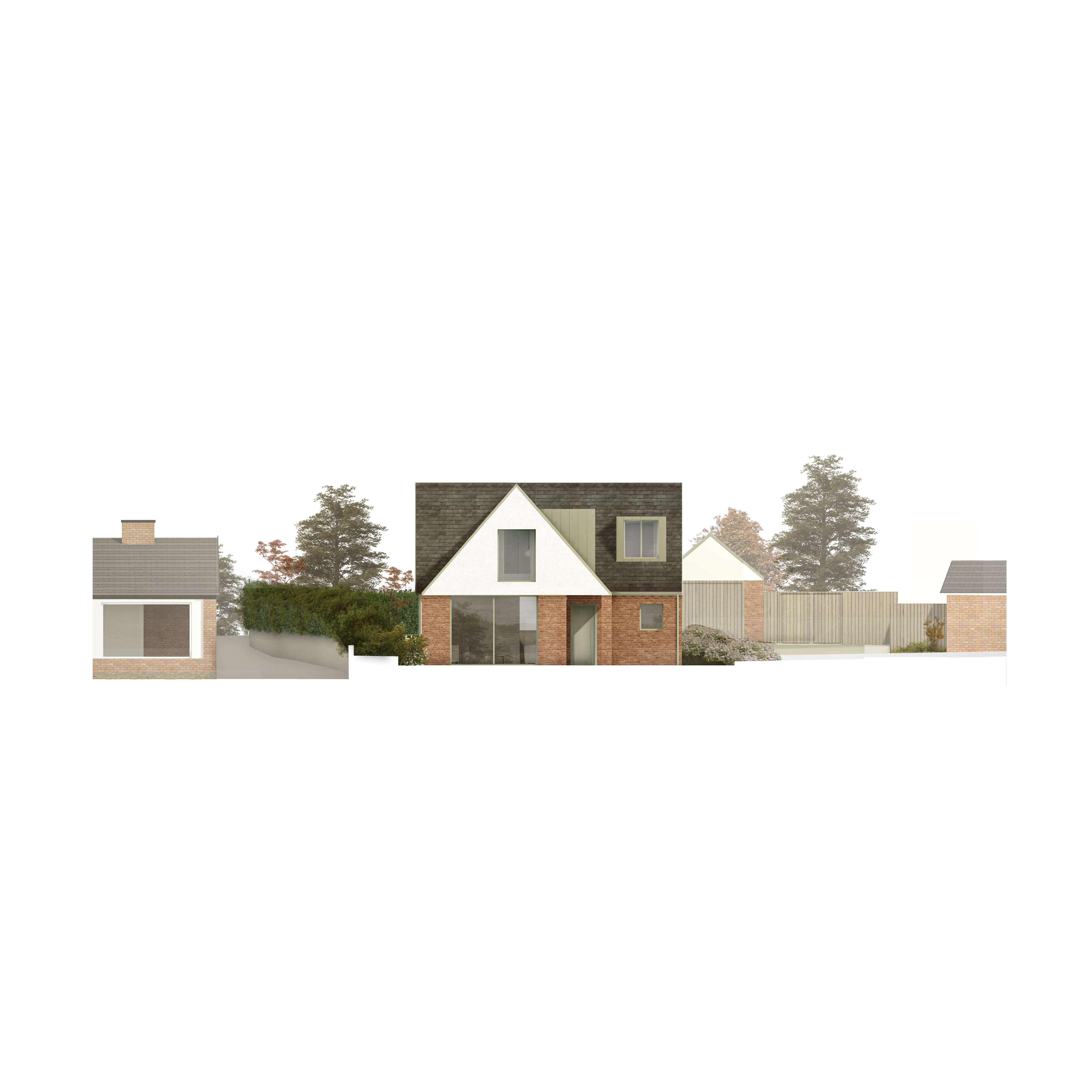
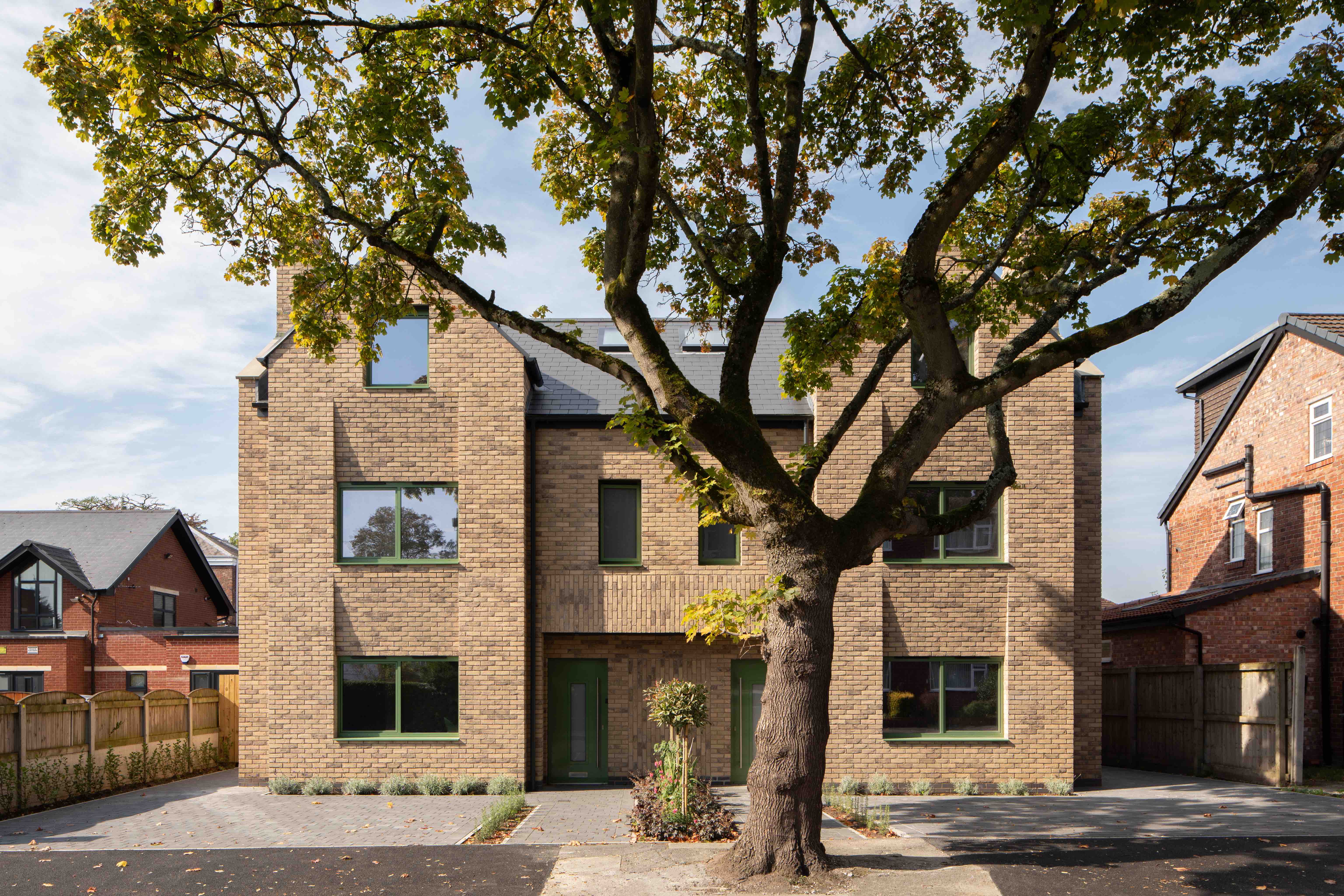
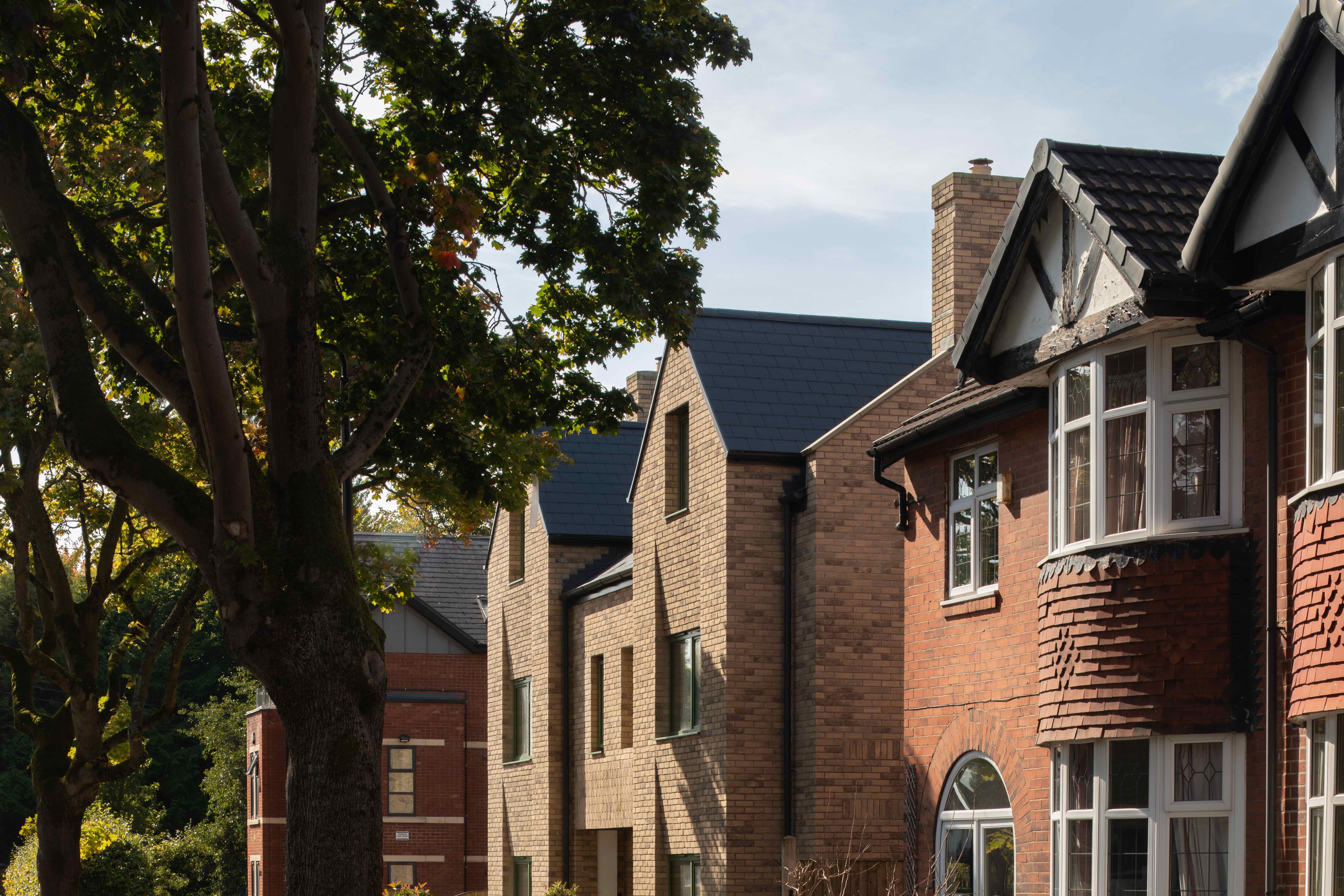
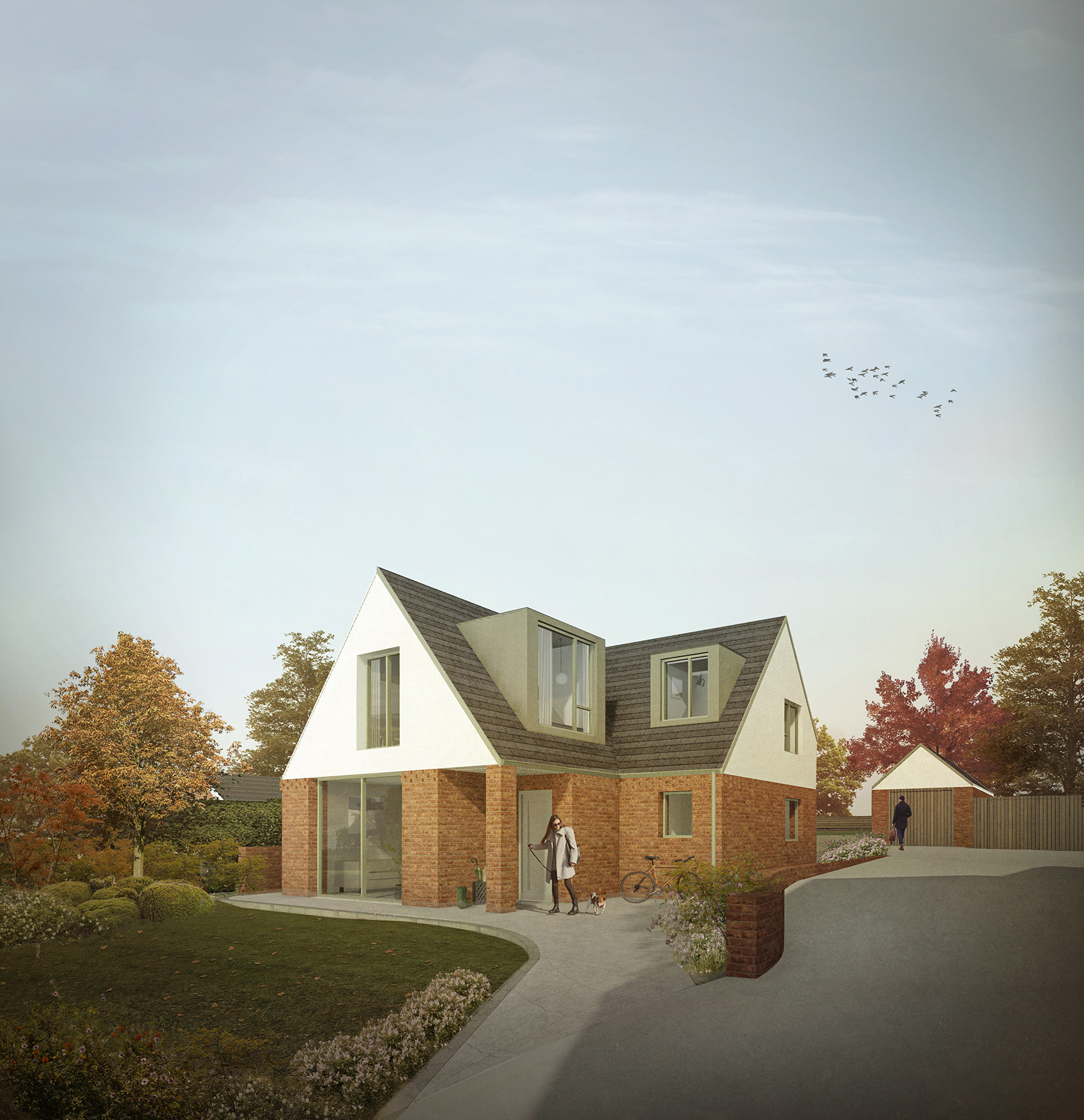
The new low energy home takes its design cues from the local vernacular with distinctive gables, a cruciform roof and a simple palette of materials. Positioned in the gap between a 1960s bungalow and a 19th Century cottage, the design mediates between the two scales and typologies, offering a highly contextual yet distinctly contemporary new addition to the street.
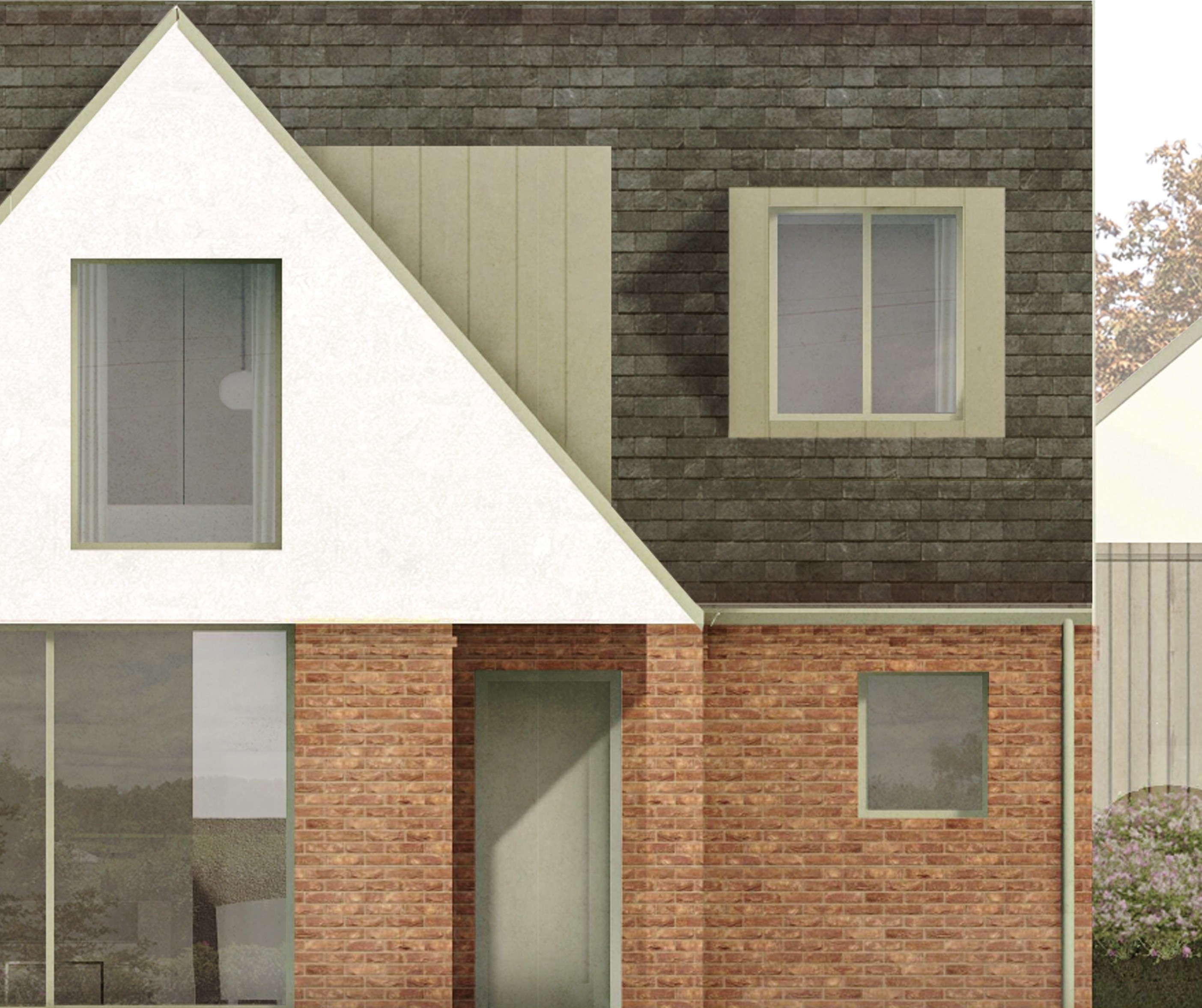
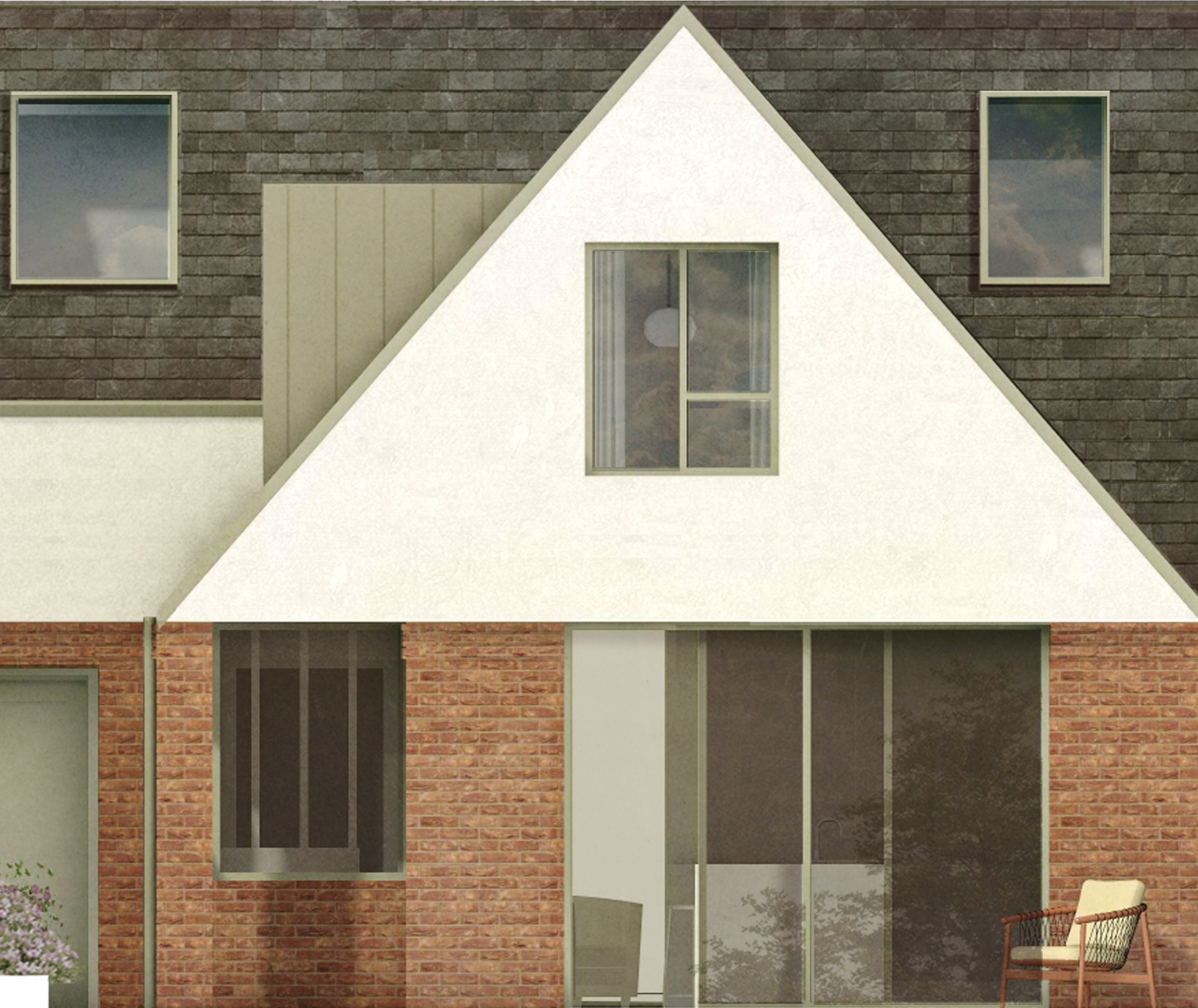
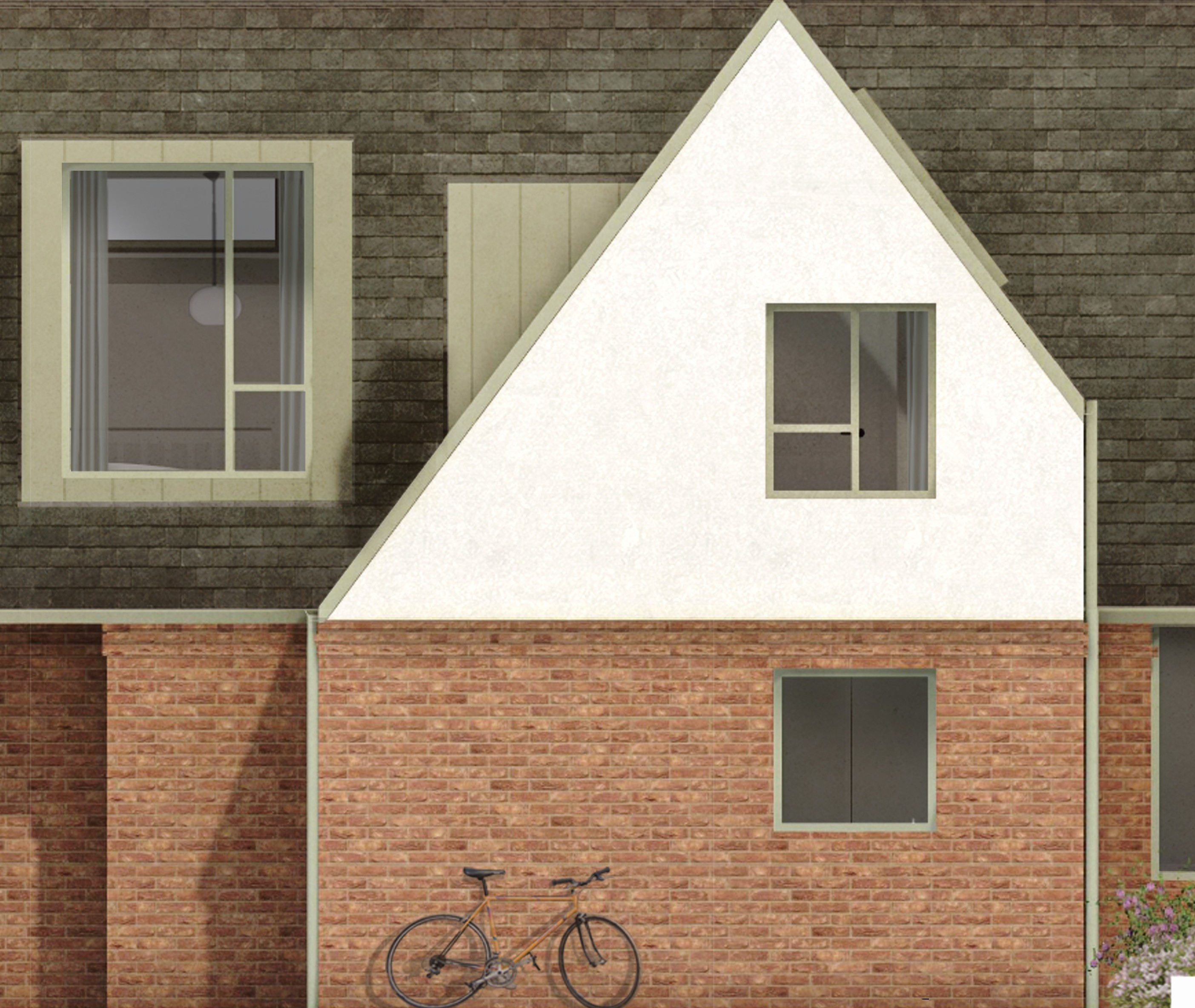
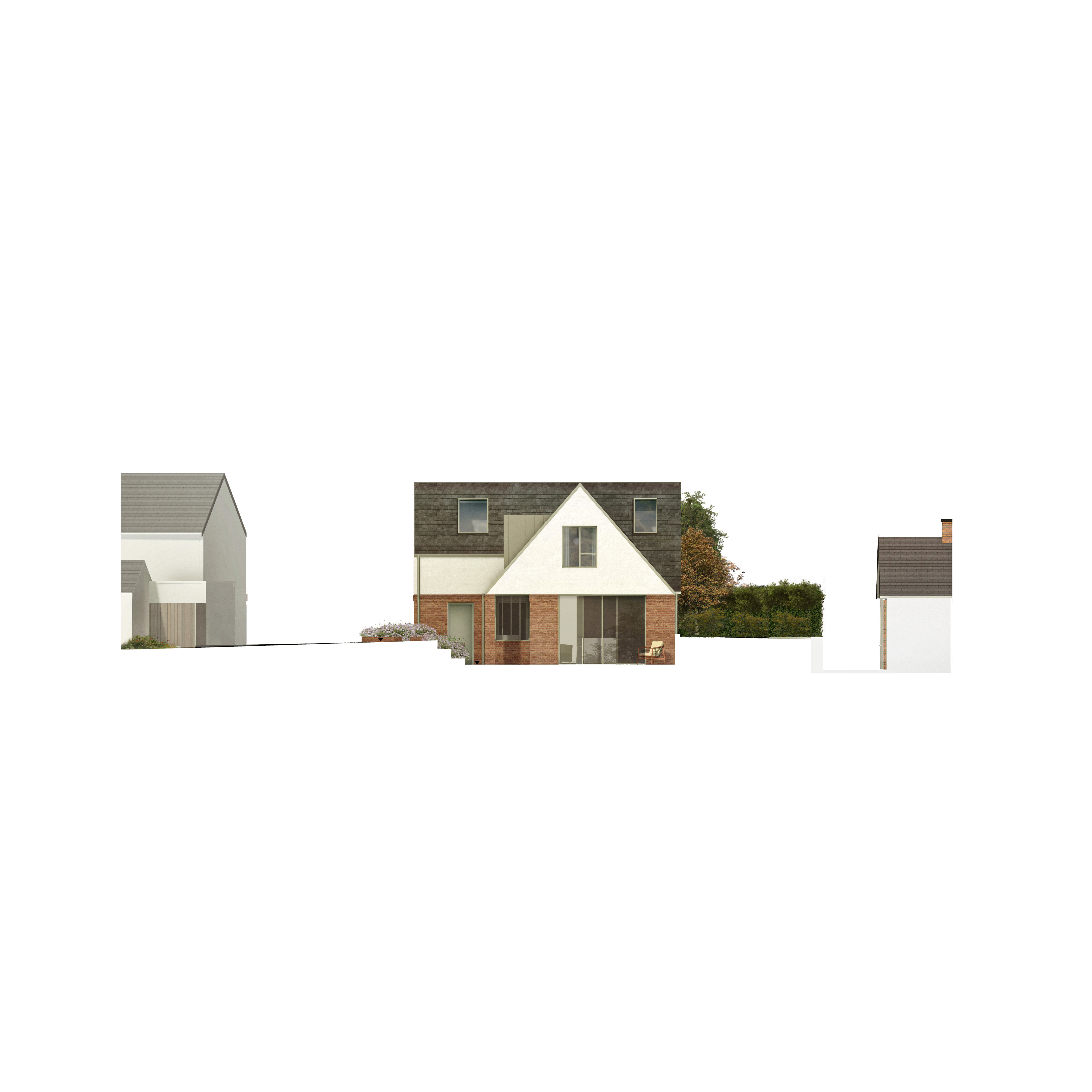
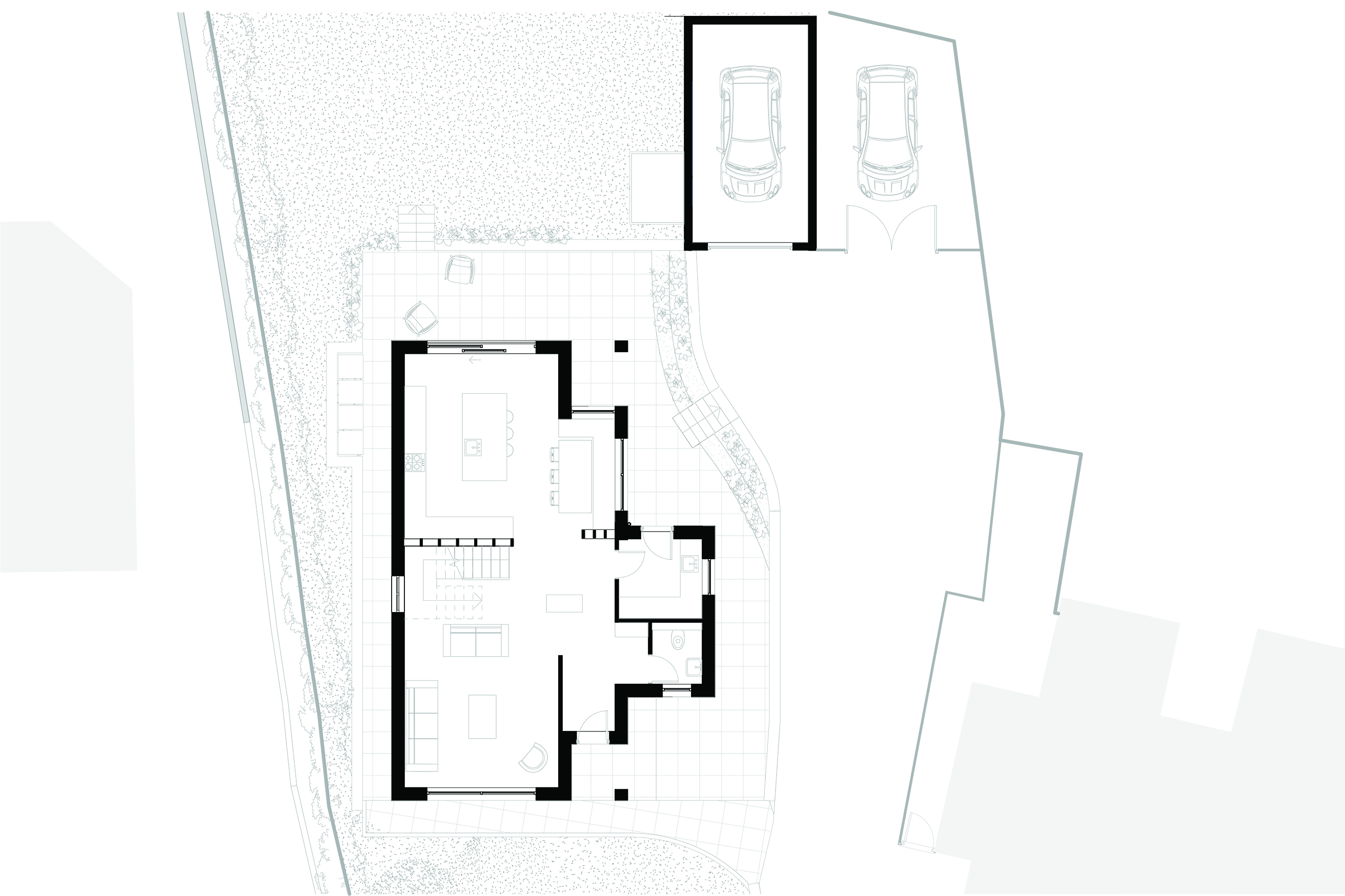
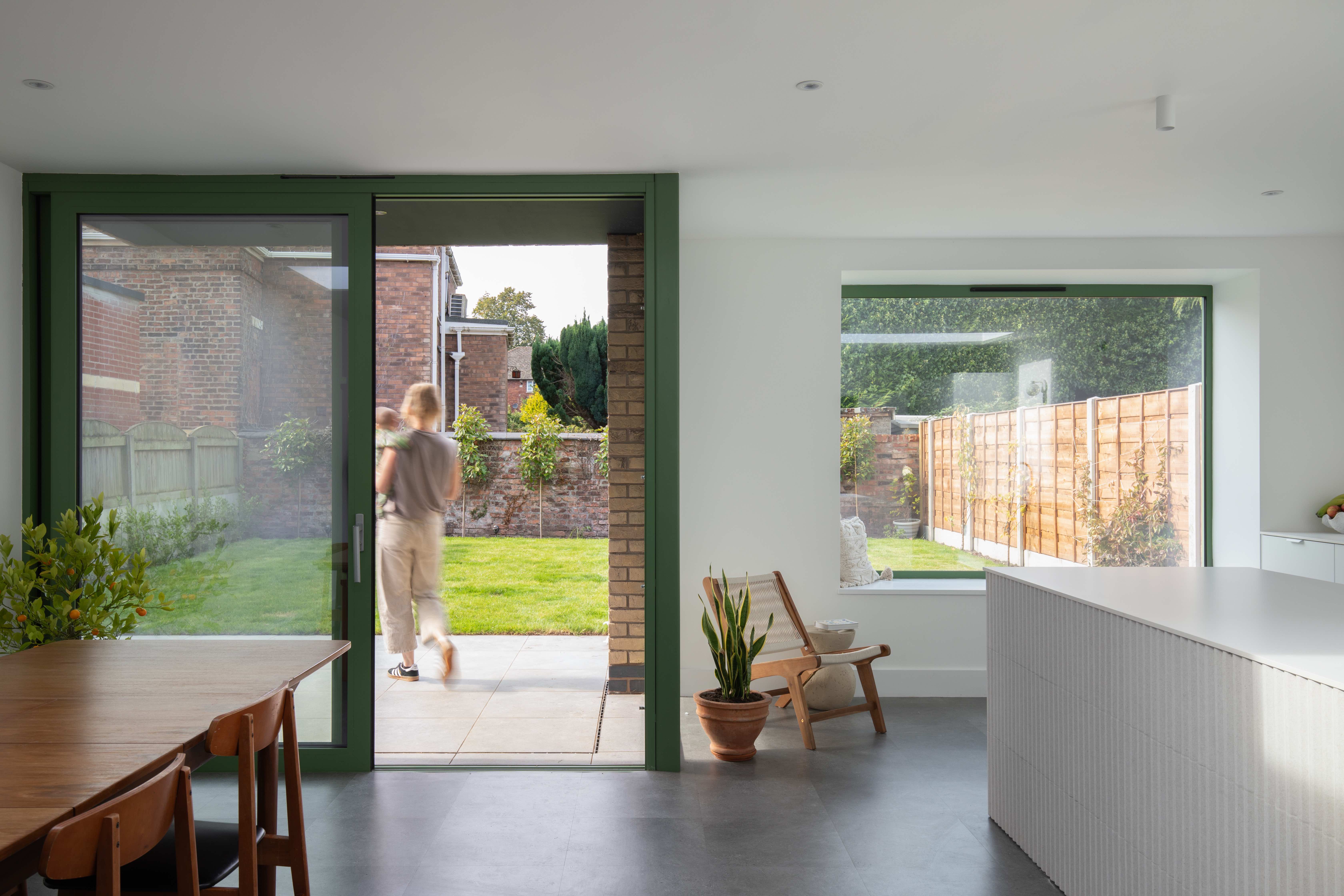
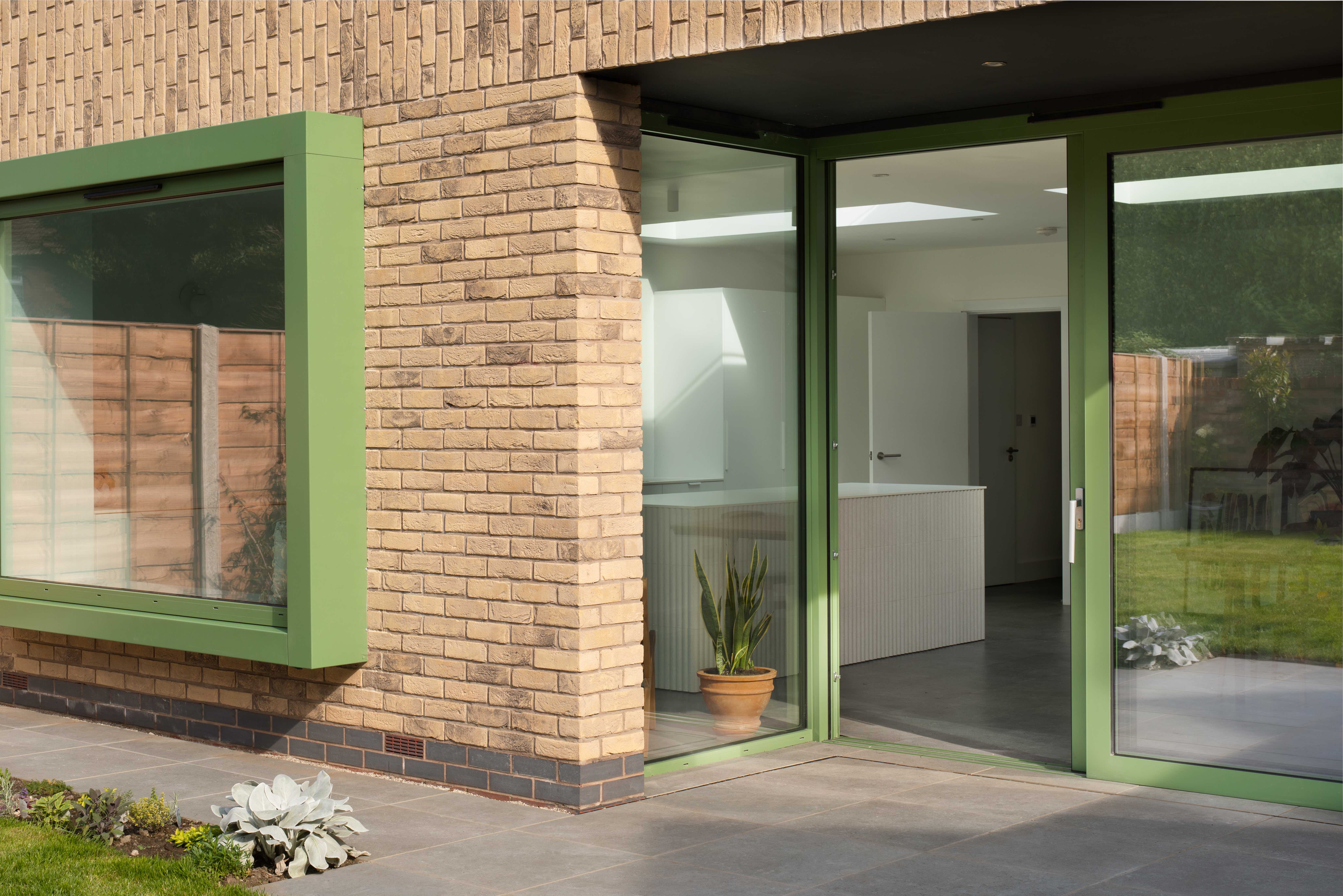
With south-facing views over the surrounding rural landscape the modestly sized yet ambitious home will connect the interior spaces to the agricultural countryside which surrounds the village. The open-plan nature of the living spaces reflects the applicant’s aspiration for a light-filled, contemporary design with a natural flow from front to back. The front living room benefits from floor-to-ceiling glazing to maximise views out across the landscape to the south and ensure high levels of natural light.
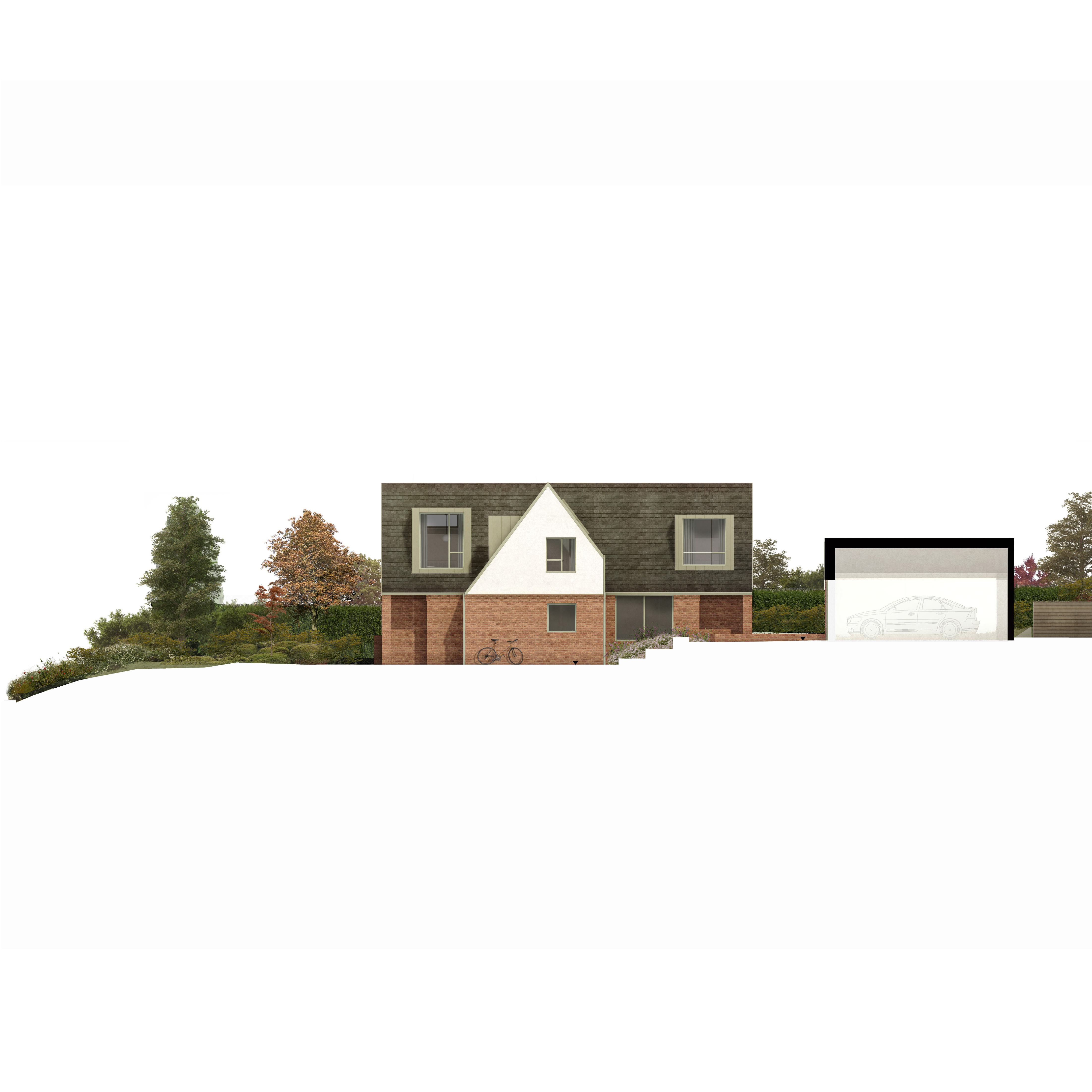
The proposed material palette is kept simple and modest and is in-keeping with the other houses in the surrounding area. The ground floor is all red brick with a band of feature detailing at eaves level which is a nod to the masonry detailing of the adjacent property. Above the brickwork is white render which fills the triangular gables. The cumulative effect is a building that reads as having solid, heavyweight base that helps root the house into the site with a more lightweight upper level that forms the shaped of the cruciform roof.
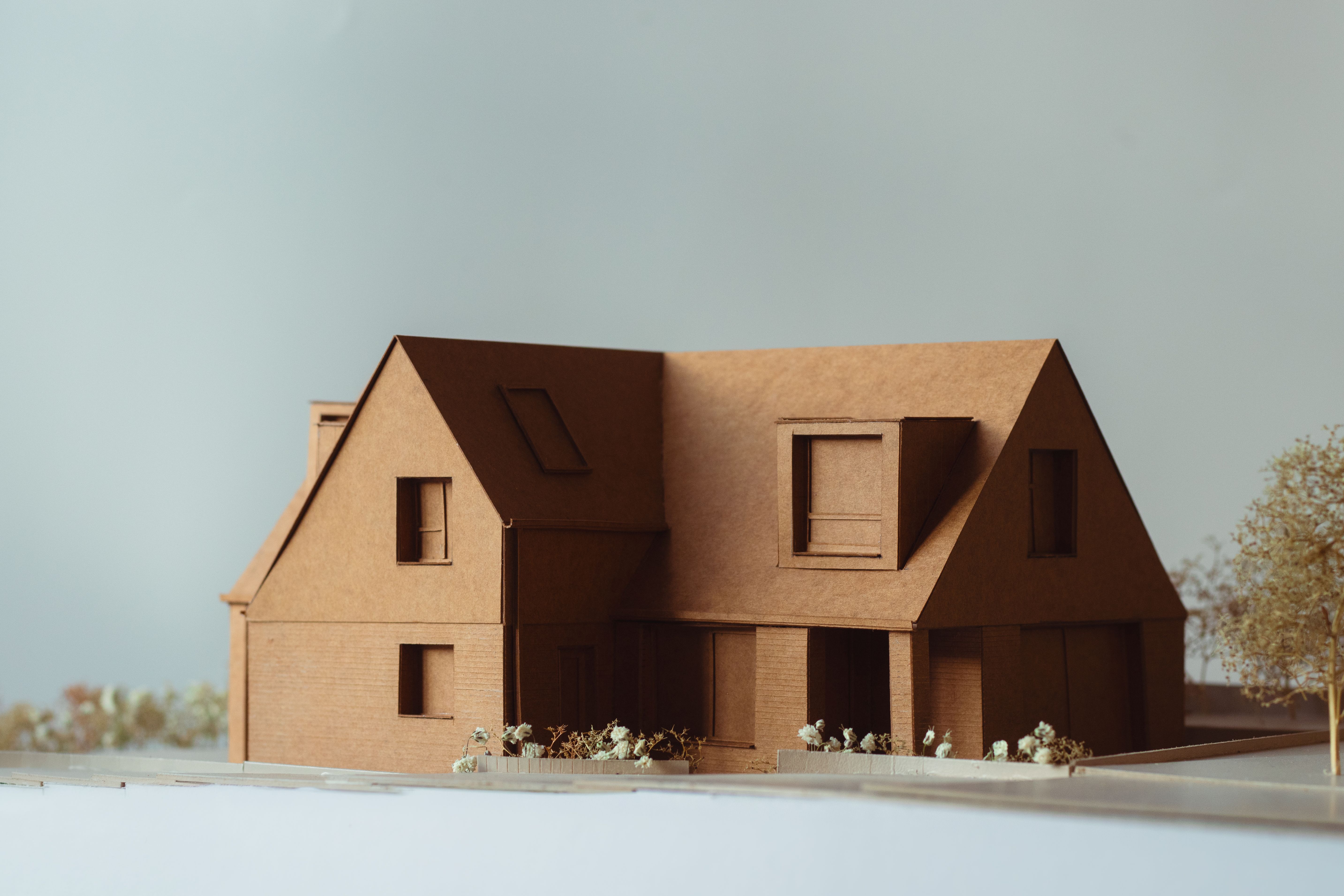
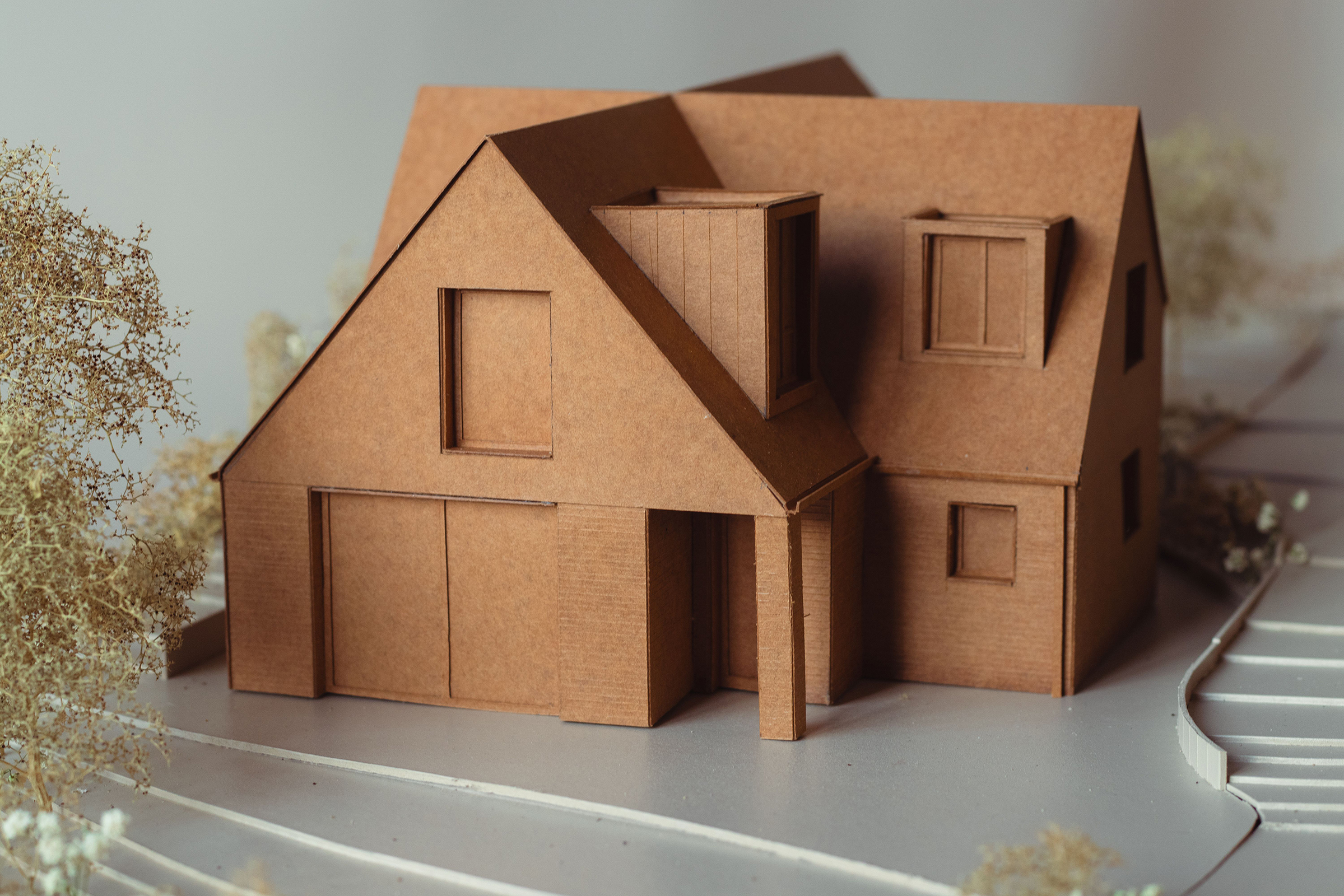
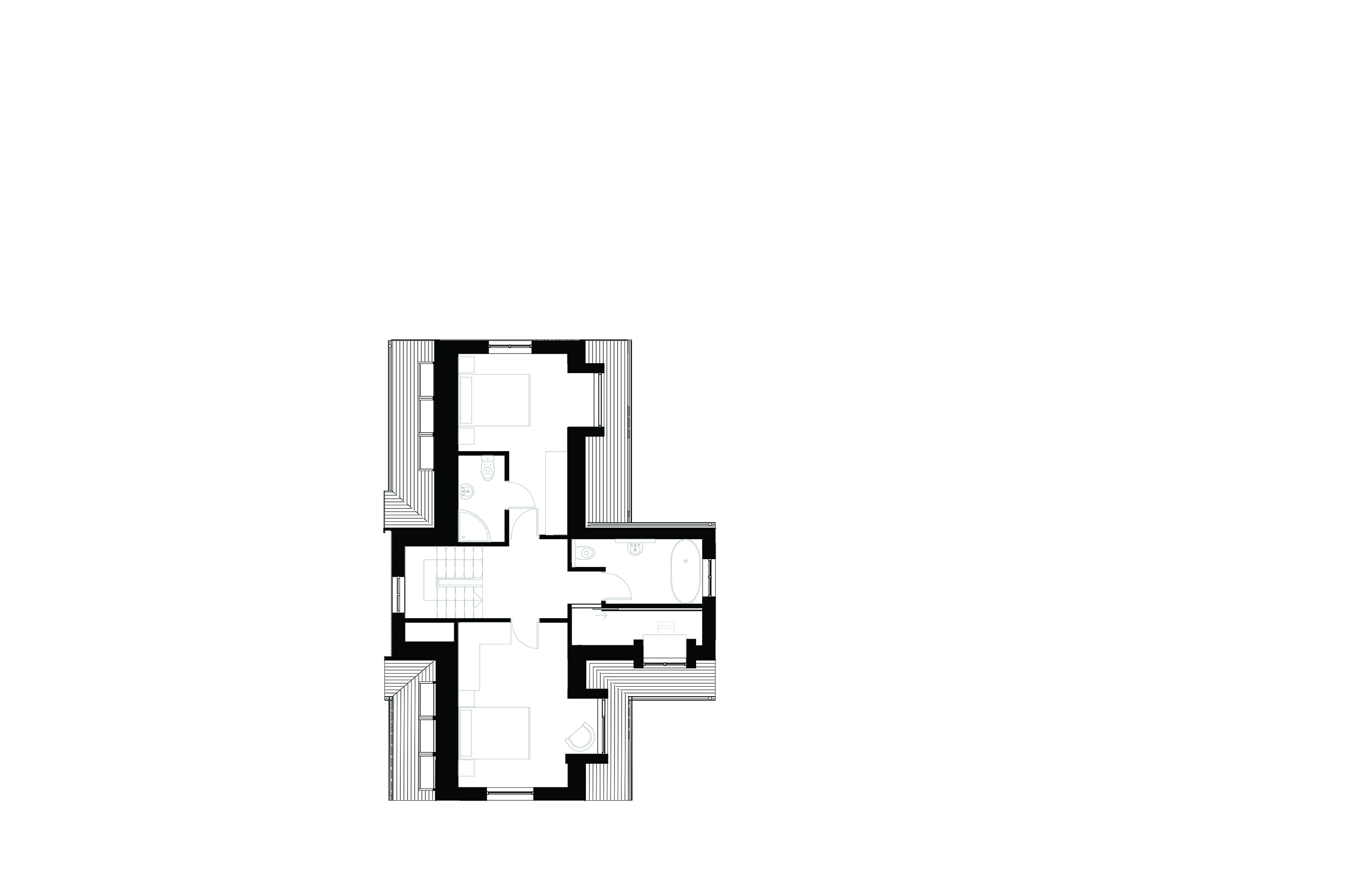
The roof is articulated by 4 gables, each facing out to the boundaries of the site. These gabled walls give the dwelling a distinctive yet contextual appearance which reference other properties in the area, ultimately producing an appearance that is clearly of its time but also very much of it’s place.
The proposed new house has been designed with a low-carbon, sustainable ethos at it’s core. Prioritising low embodied carbon materials and adopting Passivhaus principles, it features a timber frame, air source heat pump, roof-mounted solar panels and a MVHR system. A naturally lit environment will also help to reduce energy bills whilst improving the well-being of residents.